National Centre for Isolation and Treatment of Highly Dangerous Diseases
The National Centre for Isolation and Treatment of Highly Dangerous Diseases is the only facility in the civilian sector of the country dedicated to the isolation and treatment of patients with highly dangerous diseases or suspected highly dangerous diseases. These include bleeding lassa fever, Ebola and pneumonic plague. The group of so-called imported diseases also includes traveler's diarrhea, typhoid fever, malaria, dengue fever, and a host of others. The center is equipped for the standard care of these patients with three special bioboxes to protect the surrounding area from the spread of dangerous viruses and bacteria, and to protect the nursing staff, who also wear special protective gear.
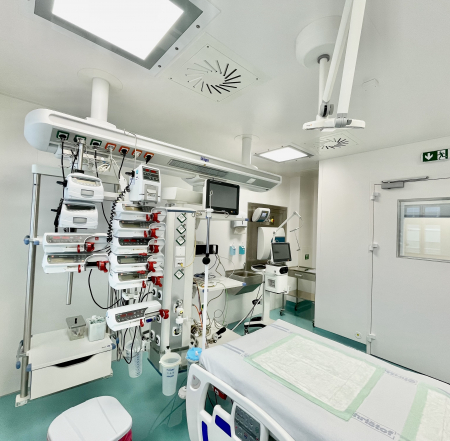
The centre also has a BSL3 type intensive care box, where patients with the above-described diagnoses who require intensive treatment such as artificial pulmonary ventilation, cleansing methods such as dialysis are placed. Patients are treated by specially trained staff who are able to provide care 24 hours a day.
Biobox Type BSL 3
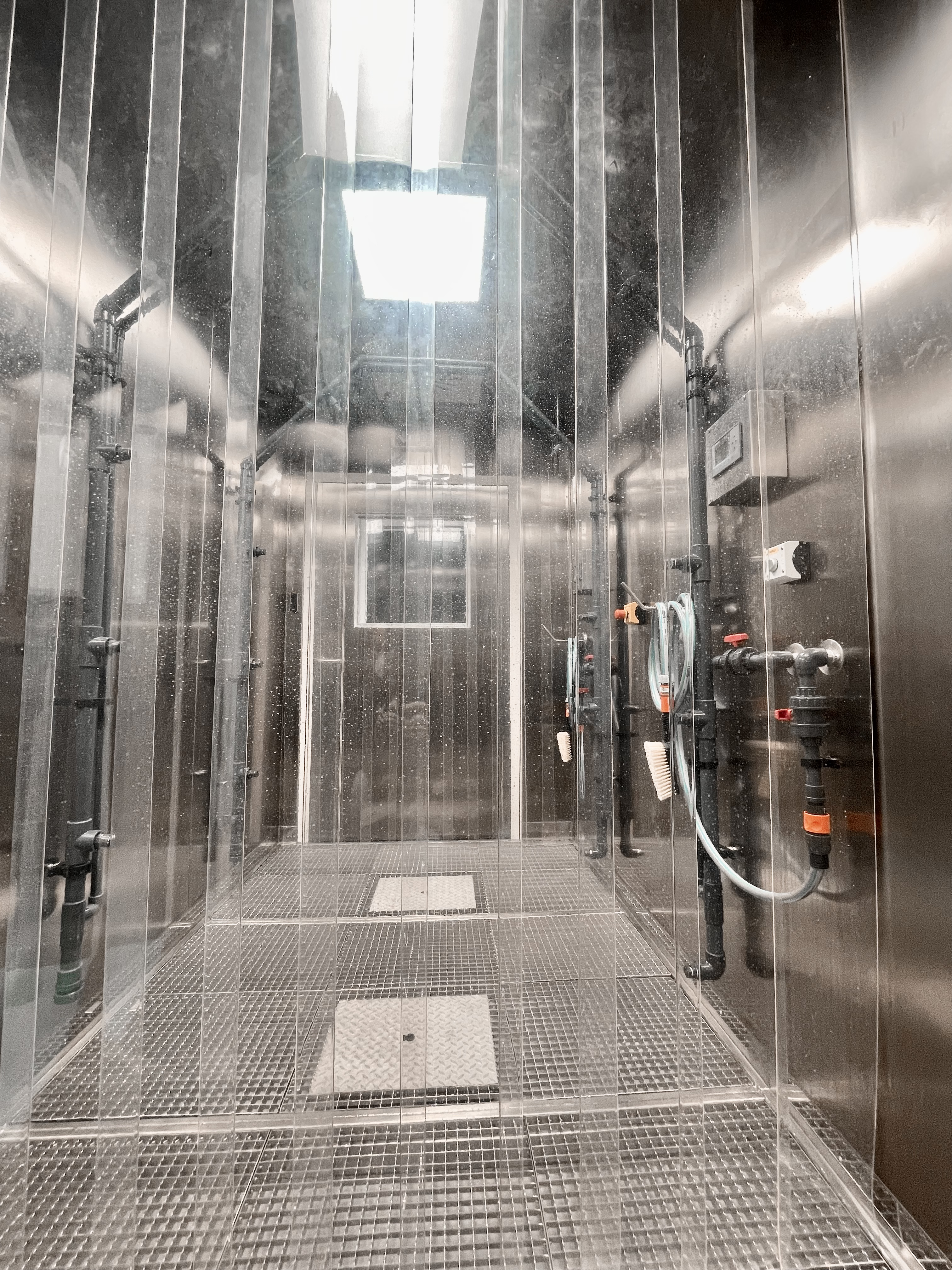
The bed is equipped with modern devices that ensure monitoring of the patient's physiological functions - vital signs monitors, linear dosing devices, ventilator for pulmonary ventilation, ECG, defibrillator, humidifier for lung tract and others. In addition, the biobox has a chamber equipped with a decontamination shower, where the attending staff rinses their protective clothing with water with an admixture of Persteril, a disinfectant with the active ingredient peroxyacetic acid, after leaving the facility. This eliminates possible unwanted contamination of staff from the hospitalised at-risk patient. Rinsing is only possible under strict hygienic conditions, where the rinse water drains through a stainless steel drain to a decontamination unit, where it is further sterilized and "boiled".
The biobox area also has an autonomous air conditioning system, steam sterilizer, camera system, staff-patient communication device or water demineralization unit.
When a patient with a suspected highly contagious disease is admitted, the biobox area is switched to negative pressure mode via a computer unit to prevent air flow out of the room. At this stage, the patient is approached by the attending staff, who are dressed in a special protective suit. After a series of necessary examinations, securing all vital signs and stabilizing the patient, the staff leaves the biobox area through the decontamination room.
The total cost of the reconstruction of the intensive care unit and the construction of the biobox was CZK 23 million. The total cost of the biobed was CZK 23 million. The Bulovka University Hospital received a subsidy from the Ministry of Health of the Czech Republic in the amount of approximately CZK 10 million. CZK 10 million. The construction works amounted to almost CZK 2 million. CZK was financed by the Municipality of the Capital City of Prague.